
Learning Biodiversity and Why It Matters to Life on Earth
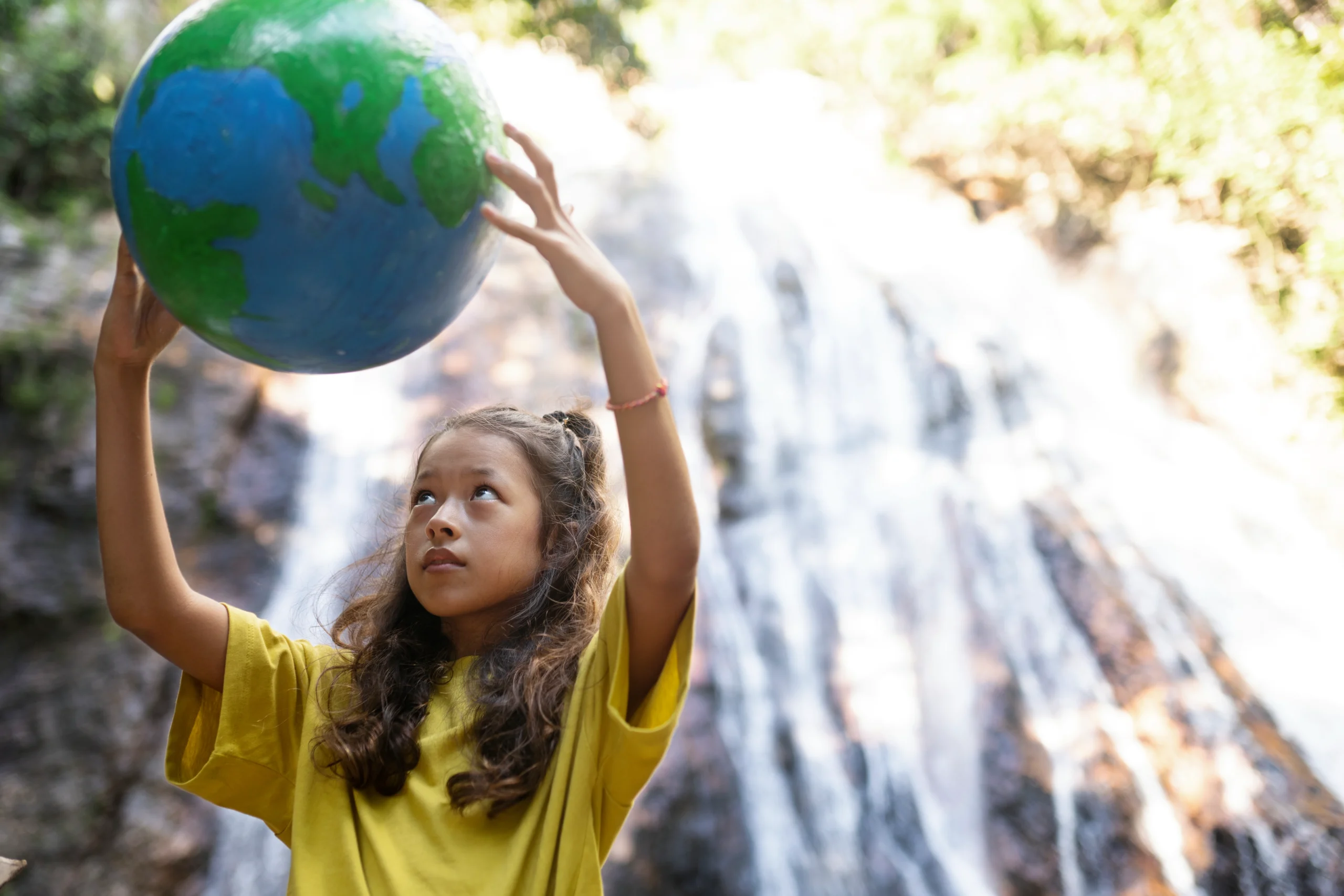
Biodiversity is simply the vast amount of life present on this planet, that is, it consists of the plants, animals, and microorganisms along with the ecosystems that they constitute. It includes the minute size bacteria that cannot be seen by the human eye and the huge trees that occupy forested areas, the insect pollinator of crops, the large mammal developer of whole habitats. Biodiversity is not either about counting the number of species. It concerns the comprehension of interdependence in the relationship between the various forms of life and how they make the natural world stable. Any organism, regardless of its size, contributes to a greater mechanism that promotes existence on the earth.
Experience the luxury of a sable coat or a Russian sables coat, pair it with a cozy lamb vest, choose ethically with sustainable furs, and complete your wardrobe with an elegant chinchilla fur coat for unmatched style and warmth.
The earth life has evolved through billions of years because of the gradual evolution. The evolution has made species to develop relationships with other organisms and with the environment they live in. There are those species which become predators, others which are prey, others which break down organic materials and others which generate energy through photosynthesis. These roles are not random. They create a system of organization where ecosystems operate. This structure is based on biodiversity. Ecosystems cannot survive without the extensive species with a variety of functions, making them fragile and unstable.
A lace mini slip is a lightweight, feminine dress typically made from satin, silk, or modal fabric, featuring delicate lace trims along the neckline or hem perfect for layering, lounging, or styling as a chic night-out outfit.
Ecosystem balance is one of the most significant phenomena about biodiversity. Naturally, populations of various species in an ecosystem maintain a check and balance in a healthy ecosystem. The predators tame the population of the herbivores, the herbivores regulate the vegetation growth and the vegetation determines the physical environment. With the high biodiversity, the ecosystems are able to recover with ease in case of any disturbances like storms, fires, or droughts. This resilience has been referred to as ability to recover. The ecosystems that are diverse are more likely to be resilient since there are different species that are capable of doing the same functions. In case of a decline in a certain species, other species can be used to fill the void.
Biodiversity also has a direct effect of sustaining human life. Human beings depend on plants and animals to provide them with food, medicine, clothing and shelter. Insects and birds are important pollinators of crops. The soil is fertile because of the presence of microorganisms which decompose organic matter. Healthy forests, wetlands, and river systems are required to have clean water. The air that humans breathe is also affected by the plant life as it produces oxygen through photosynthesis. Biodiversity is not an abstract concept as such. It is a daily need of life.
Biodiversity is another key aspect that involves genetic diversity. Individuals in a species differ slightly in terms of their genetic characteristics. This diversity enables populations to adjust according to the dynamic condition with time. As an example, there are people who can be more resistant to disease, drought, or extreme temperature. In case genetic diversity is high, the species will be better placed to survive the environmental changes. In cases of low genetic diversity, some threat can destroy whole populations.
There is a variety of biodiversity including genetic diversity, species diversity and ecosystem diversity. Genetic diversity is a variation in a species. The number of species within an area is known as species diversity. Ecosystem diversity is defined as the diversity of the habitat, that is, forests, desert, oceans, grasslands, wetlands and others.
Biodiversity has varying concentrations in various parts of the world. Some of the most biologically diverse environments on earth are tropical rainforests, coral reefs and wetlands. They are also referred to as biodiversity hotspots. The importance of preserving these areas is also due to the fact that destruction of these areas may lead to the loss of species on a large scale.
Conservation initiatives are meant to conserve species, habitats, and ecosystems. These initiatives involve the creation of protected zones, recovery of degraded habitats, control of resource utilization, and sustainable activities It is concerning the preservation of operating ecosystems that benefit an infinite number of life forms, among them human beings.
Biodiversity is neither a luxury nor something that earth has as an option. It has the basis of a living world. In its absence, there is collapse of ecosystems. Ecology is essential in the existence of life.