Anthropogenic Effects on Wildlife and its necessity.
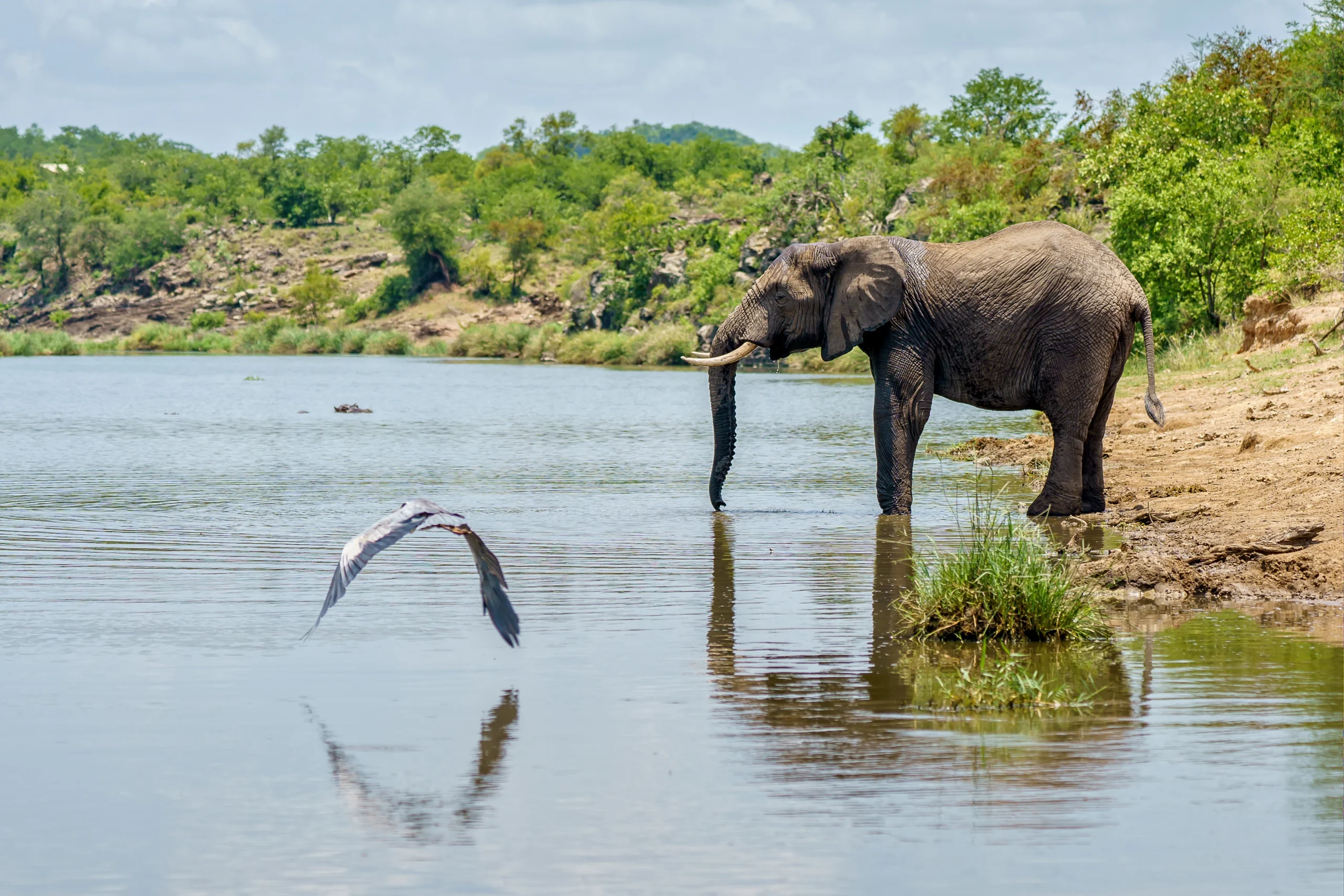
Nature has always been a source of survival of human beings. Before cities, machines and the modern technology, people used forests, rivers, oceans and grasslands as sources of food, shelter and security. Even in the modern world, where technology has been developed, all spheres of human life are related to nature. Ecosystems of functioning are the sources of air we breathe, water we drink, and food we eat. However, with the growth and expansion of human societies it has become very easy to gain a lot of impact on nature. This has made life easier and comfortable, yet it has caused severe problems to wildlife and other habitats they would need.
Discover premium lab diamonds Canada collections designed for beauty, value, and sustainability. Our selection of lab diamond engagement rings and lab grown diamond rings offers the same brilliance and durability as natural diamonds at a more accessible price. Explore elegant and ethical lab grown engagement rings crafted with modern styles, exceptional clarity, and timeless sparkle for your special moment.
All over the world, it is changing the natural landscapes to suit the human needs. The salvage of forests is done to provide space to farms and housing. The wetlands are cleared to make constructions. Rivers are deviated or impounded. Ports, resorts and cities are re-modeled along the coastline. All these developments modify the habitats which the wildlife has relied on over thousands or even millions of years. By losing their natural habitats, animals lose areas to source of food, places to shelter, mating spots, and safe migration pathways. Numerous species are not able to just migrate to a different place. The environmental conditions that are very specific are related to their survival.
Discover premium luxury t shirts crafted from high-quality fabrics for comfort and style. Our cashmere shirts offer soft texture, elegant design, and timeless fashion for everyday luxury.
Discover stylish collections from Dolcezza, Joseph Ribkoff, and Up! Pants, offering elegant designs, artistic prints, and comfortable fits for modern women.
One of the most apparent impacts that human beings have on wildlife is habitat destruction. But the other equally important problem is habitat fragmentation. Sometimes natural areas are separated by roads, fences and buildings even where measures are still present. Big continuous habitats are discontinued into tiny isolated ones. The perils that animals encounter when attempting to cross these patches include traffic, absence of cover and human confrontation. With time, isolated populations reduce in size and power. There is a reduction in genetic diversity, which exposes the specieses to disease and environmental adaptation.
Pollution of the air lies on the plants and soil, changing the chemistry of the ecosystem. Most of the pollutants do not fade away easily. Rather they accumulate in the bodies of organisms and pass on through food chains, getting increasingly concentrated as one goes up the chain. This may cause reproductive disorders, immunosuppression and reduced lifespan in wildlife.
Wildlife population is also affected negatively through overexploitation of natural resources. Overfishing lowers the stocks of fish at a higher rate than the fish can restore. Poaching and poaching endangers a great number of terrestrial animals. Forest ecosystems are cleared, logging away. With human beings consuming more resources the nature cannot replenish, the level of wildlife reduces gradually. Even the species that used to be numerous may be endangered when the exploitation lasts long enough.
Many of the problems already existing are now being aggravated by climate change. Increased global temperatures change the habitat and patterns of seasons. Other areas would become drier and hotter whereas others would have more rain and floods. Ice melts away in the polar, shrubs habitats.
There are other challenges brought about by invasive species that were introduced by humans. The invasive species may outcompete the native wildlife in accessing food, predating or introducing diseases. In the long run, invasive species may alter complete ecosystems and decrease the native biodiversity.
The cumulative impact of these pressures is the gradual reduction of the number of wildlife in the planet. Numerous species are present in small groups or regions only. Others are even lost before they are even known scientifically. This loss is itself not just a tragedy. It also weakens ecosystems. Every species has a role to play in the form of predator, prey, pollinator, seed disperser and also a decomposer. The disappearance of species throws the ecosystems out of balance.
Healthy ecosystems offer services that promote the lives of all living beings including the human beings. Forests control climatic conditions and generate oxygen. Wetlands purify water and minimize flood. Sea can affect the weather and sustain fisheries. These services are reduced when there is degradation of ecosystems. This ends up impacting human health, food security and economic stability.
Conservation is there to avoid such consequences. It consists of the struggle to save species, homes and ecological equilibrium. Conservation is not about preserving nature in its free forms. It is concerned with letting natural systems go on with their functioning and adaptation. National parks and other wildlife reserves are places of protection where species can get a chance to survive. The laws governing conservation control hunting and angling as well as commerce. In restoration projects, damaged ecosystems are restored through planting, cleaning up of polluted areas, and releasing native species.
People are also engaged in conservation. Success in the long run is more guaranteed when individuals are involved in the conservation planning and they are enjoying the fruits of safeguarding nature.
Some of the most useful conservation tools are education and awareness. People can make responsible decisions when they know the impact their daily decisions have on the wildlife.
Scientists are not the only ones that should conserve. It is an accountable common duty. It has a role to be played by governments, organizations, communities and individuals.