The Workings of Ecosystems: Forests, Oceans, Grasslands and Wetlands.
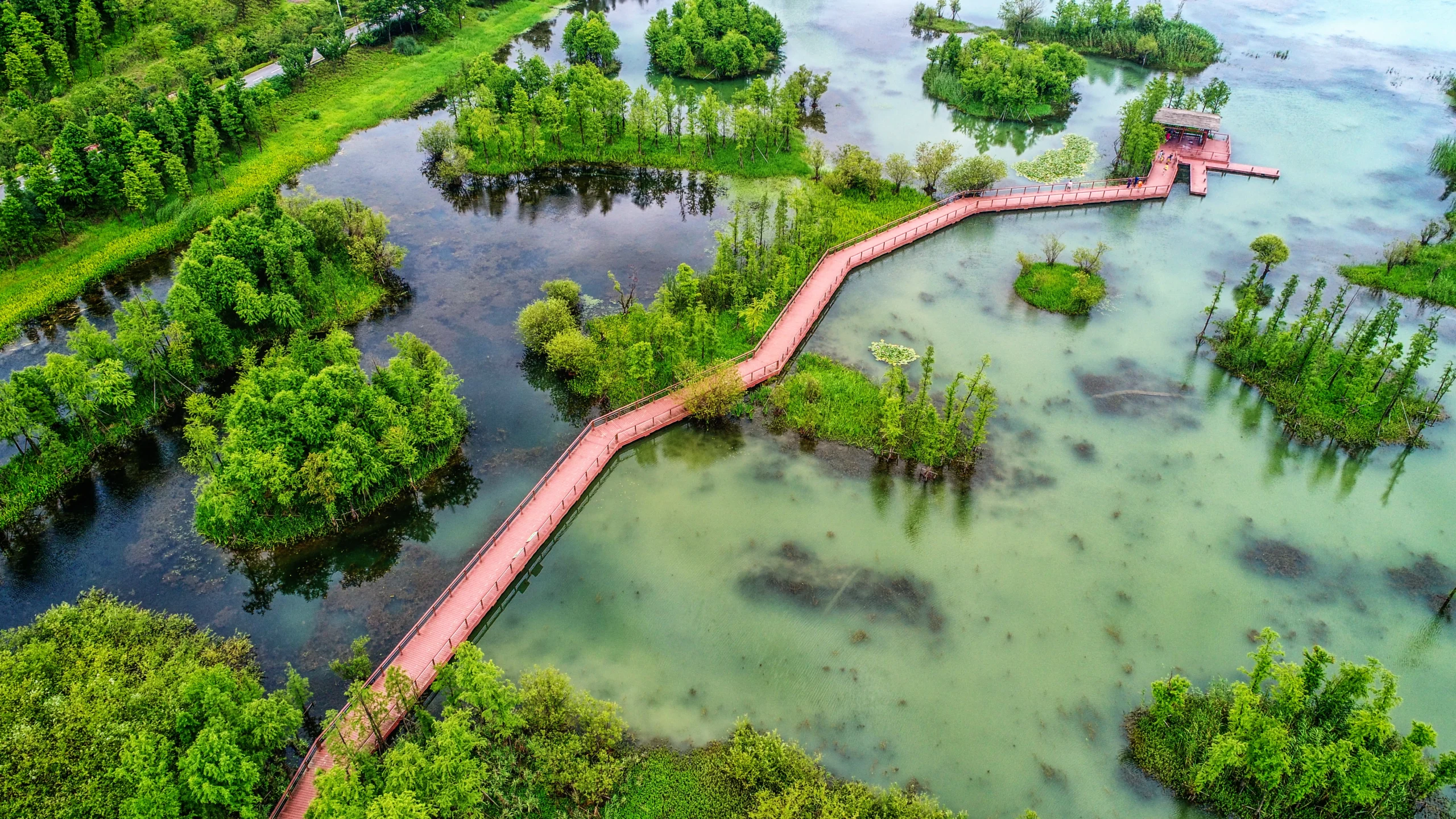
An ecosystem is a multi-faceted association of living organisms in the interaction with each other and with the physical environment. It consists of plants, animals, microorganisms, soil, water, air, sunlight, and climate, which is a whole that works as a single entity. Ecosystems do not consist of random groups of species put together by accident. They are well-organized communities in which every organism has a role to play in terms of maintaining stability. Energy circulates in these systems, nutrients are in constant circulation and populations control each other. When a component of an ecosystem is altered, other components are bound to be affected. Having known the mechanism of ecology can explain why nature is strong in certain situations and weak in others.
Book a professional Bar Service Toronto for weddings, corporate events, and private parties, offering fully equipped mobile bars and expert bartending for a seamless experience.
Forests constitute highly diverse biological systems on the planet. They come in all shapes and sizes, such as tropical rainforests, temperate forests and boreal forests. Whether it is of any type, forests are characterized by stratification. The canopy is composed of tall trees that absorb a majority of the sunlight. Under them, there are smaller trees and shrubs which form the understory. Further to the ground, there are grasses, mosses, fungi, and decayed plant material that comprise the forest floor. The various layers harbor various organisms that are geared towards a certain light, moisture and temperature environment.
Find the best reading glasses, including the best reading glasses Canada offers, with stylish best reader eyeglasses, durable reading glasses for men, and protective reading sunglasses Canada options for clear vision anywhere.
Forest ecosystems are based on trees. Using photosynthesis, they store the sunlight into chemical energy and generate oxygen. Their roots fix soil thus avoiding erosion. Their leaves block rainfall, slows down water movement and floods. The leaves that fall decay and the soil is enriched by the nutrients which enhance the growth of future plants. Forest soils are full of bacteria, fungi, insects and worms which breakdown organic matter. In the absence of these decomposers, the nutrients would be trapped in dead bodies and plant life would surely decad, as well.
Forests have numerous functions of animals. Herbivores consume fruits, seeds and leaves. Herdbivores are kept within a check by predators and thus they are not overgrazed. The forests regenerate through the dissemination of seeds by birds. Flowing plants are pollinated by insects. Each interaction helps to attain balance. Other species could be affected when one species is on the decrease. Reduction of predators may result in increase in herbivores which may overfeed on vegetation. This may cause ripple effects on the ecosystem.
Oceans are the biggest ecosystem in the planet, occupying over two-thirds of the earth. The ocean ecosystems extend to the sunlit fruitful near-coastal waters to the dark abyssal depths. Oceans may seem homogeneous at the surface but they have a wide range of habitats based on the depth, temperature, pressure and light supply. There are photosynthetic organisms like phytoplankton in the near surface that is supported by sunlight. They are the microscopic organisms that make the foundation of majority of marine food chains. They generate a high percentage of oxygen on earth although they are very small.
The study of ecology has indicated that nature operates as a system, with interrelated processes, and not parts. All organisms play a role in the process of keeping the balance. Each habitat has a contribution in sustaining life.Ecosystems are not static. They transform due to the course of time with the help of natural succession, disturbances and adaptation. Change does not necessarily involve destruction. But extreme or speedy change may flood the recuperation power of the ecosystems.
It emphasizes the reason it is more effective to safeguard whole ecologies as opposed to single species.Whole ecosystems sustain all life including human beings.